Dutch Semiconductor Regions
Regions
Five innovation regions form the backbone of the Dutch semiconductor industry, each with unique strengths and specializations.

Brainport is the heart of the Netherlands’ semiconductor ecosystem. In this highly connected region, global technology leaders, specialised suppliers, start-ups and world-class knowledge institutes work together to drive innovation across the semiconductor value chain, strengthening the Netherlands’ position as a global leader in semicon.
The Brainport region hosts a strong ecosystem for semiconductor talent development, supported by leading institutes such as TU/e, Fontys, Ter AA and Summa, alongside initiatives including High Tech Institute, PhotonDelta and regional talent programmes, ensuring a continuous pipeline of highly skilled engineers and technical specialists.
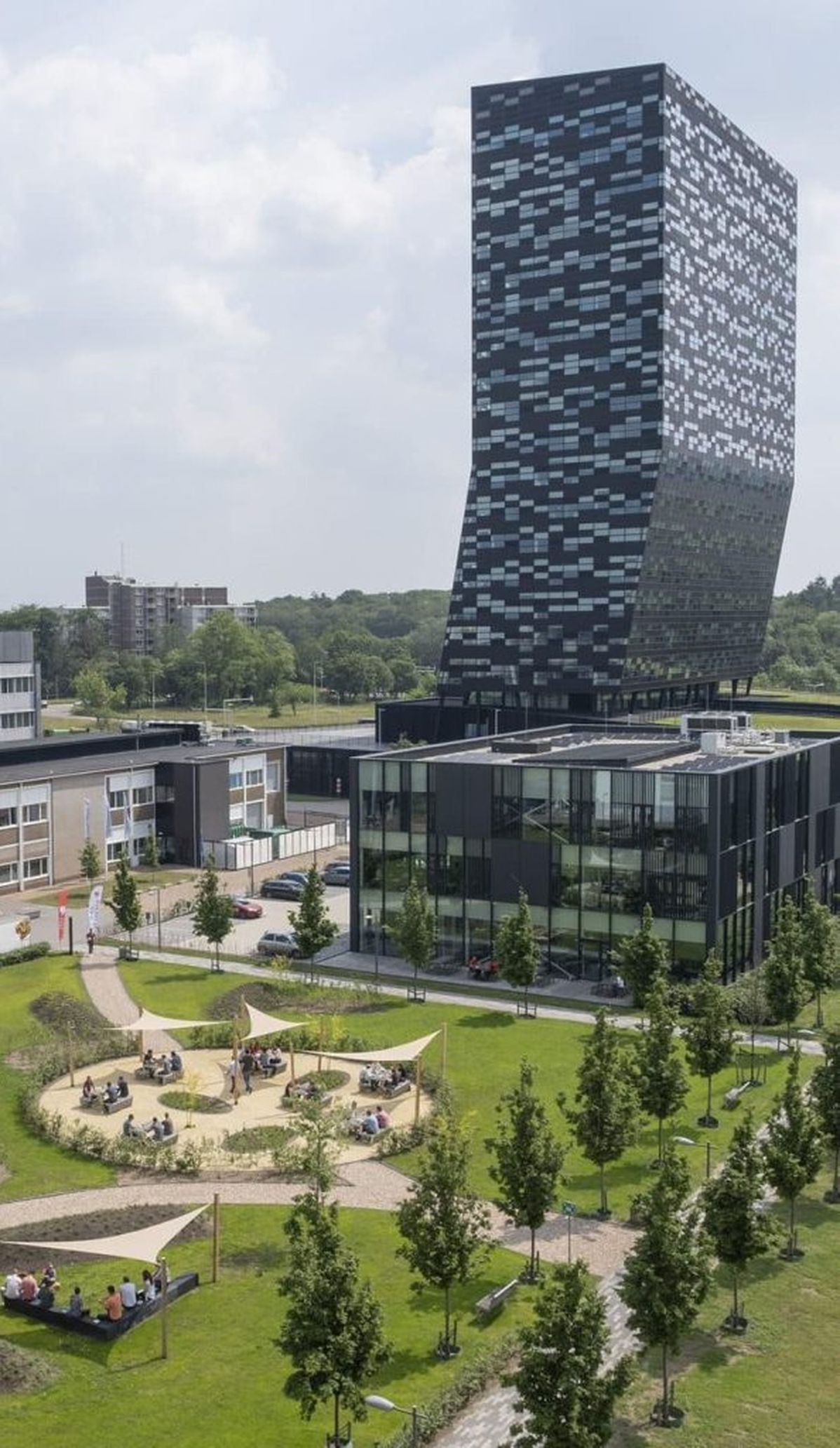
Lifeport integrates the full semiconductor value chain, uniquely combining design, front‑end wafer manufacturing, (advanced) chip packaging equipment, R&D, back‑end processes and applications within one region. Anchored by NXP and Nexperia, the region strengthens strategic autonomy through power electronics, system integration, and strong public‑private research collaboration. This comprehensive ecosystem positions Lifeport as a pivotal location for renewed growth and strategic strengthening of the semiconductor industry in the Netherlands and Europe.
Radboud University delivers talent in physics, new materials, AI, and data science, while HAN University of Applied Sciences contributes graduates in electronics, embedded systems, AI, and data science. At the vocational level, ROC Nijmegen trains students in electrical engineering and mechatronics, and Rijn IJssel Arnhem provides laboratory-focused education. In addition, the One Planet Institute promotes challenge-based learning across all educational levels, while CITC-TNO and the Novio Tech Campus support chip packaging education and strengthen collaboration between industry and academia.

Noord-Nederland is emerging as a growing semiconductor talent and innovation region. Through the Beethoven Noord programme, regional vocational education , universities op applied science, research universities and industry collaborate to strengthen education, talent development and research. The University of Groningen plays a key role in connecting academia, industry and national partners within this ecosystem.
The Beethoven Noord programme, coordinated by the Universiteit van het Noorden, brings together universities, applied sciences institutions, vocational schools, industry and regional governments to strengthen semiconductor talent development. The initiative focuses on increasing student inflow into semiconductor-related programmes, improving study pathways, and developing lifelong learning programmes in collaboration with companies in the regional high-tech ecosystem.
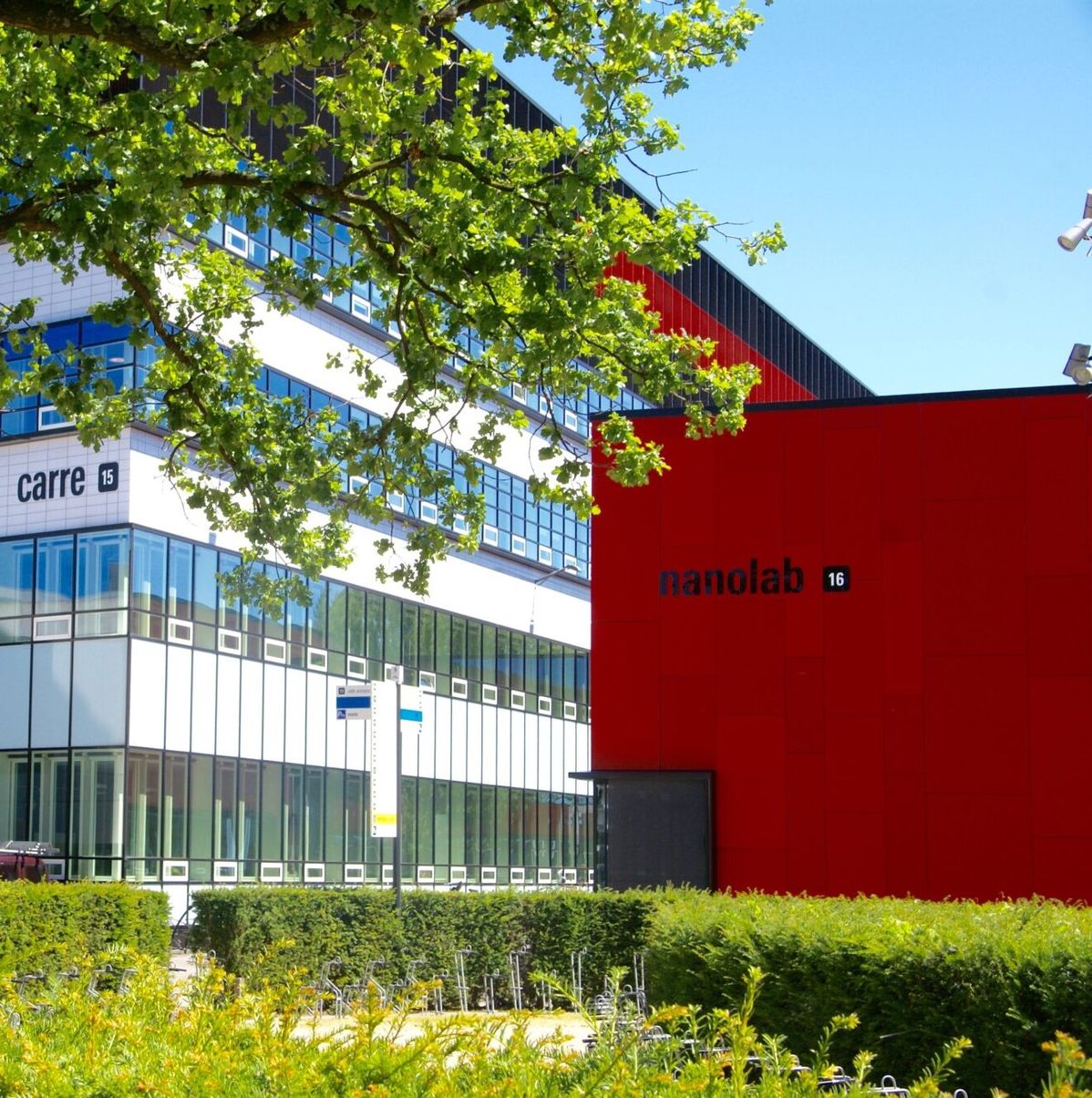
In Twente we can make an important contribution to the ambition of new generation chips. The breadth and combination of (enabling) technologies such as electronics, photonics and microfluidics is right here. We are ready for new challenges. Down to earth, up for anything!
The Twente region hosts a strong ecosystem for semiconductor talent development, supported by leading institutes such as the University of Twente, Saxion University of Applied Sciences and ROC van Twente. Research excellence is anchored by the MESA+ Institute, while initiatives such as ChipTech Twente connect education, research and industry to ensure a continuous pipeline of skilled engineers, technicians and semiconductor specialists.
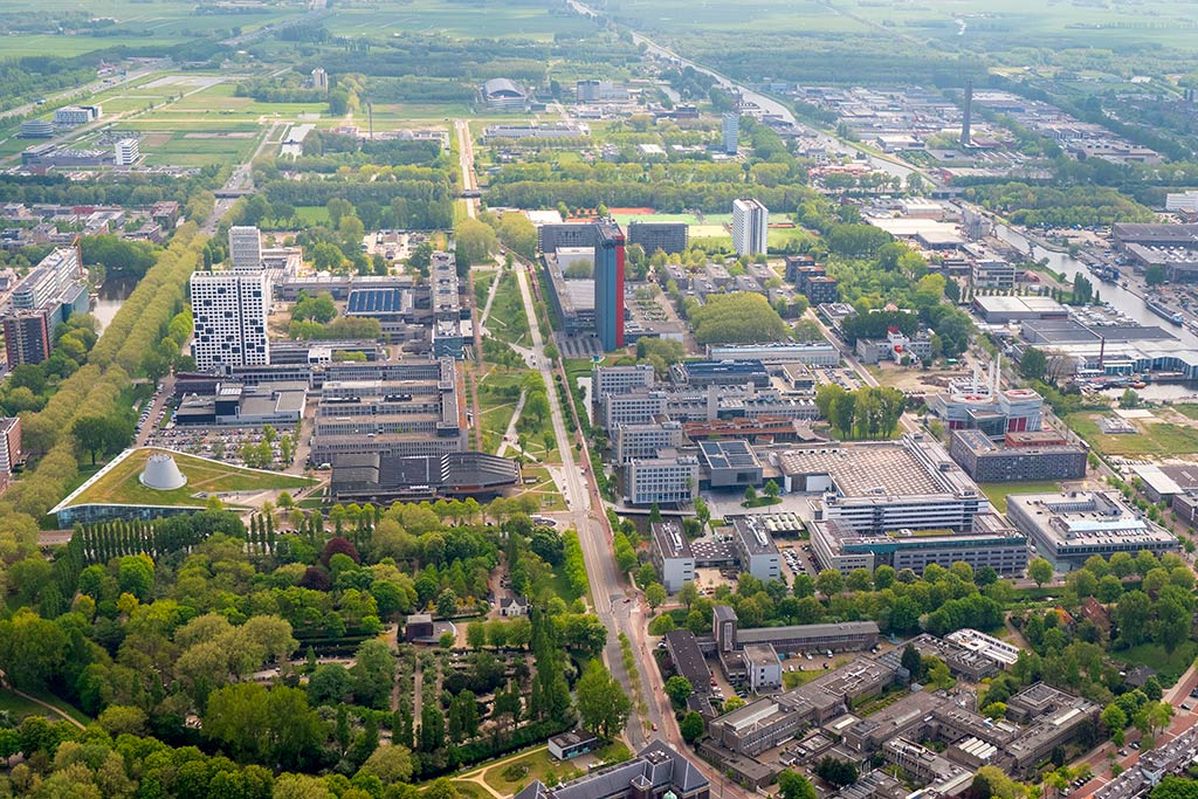
This region excels in chip design and quantum-photonics research. QuTech leads global quantum computing efforts while a vibrant startup ecosystem commercializes breakthroughs. Over one hundred companies from the semicon sector are based in South-Holland.
Home to TU Delft and over a dozen vocational schools, universities of applied sciences and research universities, this region excels in high-tech and education, with a strong profile on semicon, quantum and space. From Leiden to The Hague to Delft to Rotterdam, the region educates 50% of all technicians in The Netherlands.